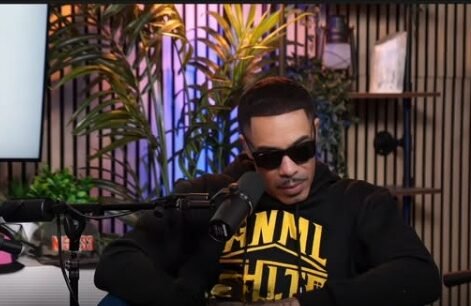
MMG BETRAYAL Gunplay Calls Out Rick Ross For Leaving Him Hanging: “I Took The Hits For You, But Where Was My Push?”
Rapper Gunplay is speaking candidly about his frustrations with how his career was handled during his time with Rick Ross’s camp and his experience under Def Jam Recordings.
In a recent conversation, Gunplay reflected on his early days as one of the original members of Rick Ross’ collective, Triple C’s (Carol City Cartel). As someone who was considered a “day one” in Ross’ movement, he says he expected more support when his own moment to step into the spotlight finally arrived.
According to Gunplay, when it was time for him to push his music and build his brand as a solo artist, the backing he thought would be there never really materialized. He claims that instead of strong promotion or label momentum, he was met mostly with silence.
Gunplay explained that the lack of promotion made it extremely difficult to capitalize on the buzz he had built through years of loyalty to the team. Without consistent marketing, radio push, or major label support, he says many of the opportunities that could have elevated his career simply passed by.
The rapper also opened up about how those circumstances affected his personal life. He said that during that period, the absence of industry support forced him to face harsh realities outside of music. At times, he felt pushed back toward the streets just to survive, something he says he never expected after putting so much work into the music business.
For Gunplay, the situation was especially painful because of the loyalty he showed early on. Being part of Rick Ross’ movement from the beginning, he believed that when his moment came, the same energy and support would be returned. Instead, he says he often felt overlooked while the spotlight moved elsewhere.
Fans online have been reacting strongly to his comments, with some agreeing that Gunplay was an underrated artist who deserved a bigger push, while others argue that the music industry can be unpredictable and even loyal members of a team sometimes struggle to break through.
Either way, his remarks have reignited conversations about how record labels and artist collectives handle promotion, loyalty, and the responsibility of helping long-time collaborators reach their full potential in the industry.