ASTRONAUTS ALIVE? Internet Swears The Challenger Astronauts Didn’t D*e And Are Living Under The Same Exact Names
A viral clip making the rounds online is pushing a wild conspiracy theory that the 1986 Challenger space shuttle disaster was faked, and it has sparked heated debate across social media.
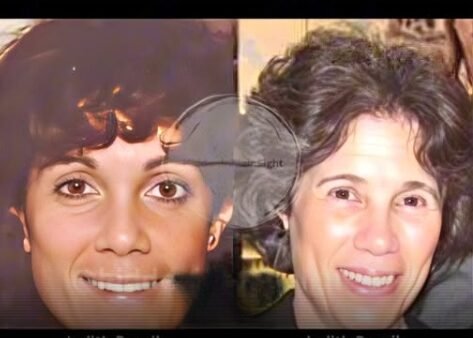
The video claims that several of the astronauts who were officially declared dead are actually still alive today, pointing to people with the same names and similar appearances who currently live normal public lives. The creator of the clip highlights individuals said to be Judith Resnik and Michael J. Smith, alleging that one is now a Yale professor while the other is a retired academic, both denying any connection to NASA or the Challenger mission.
The theory argues that these “duplicates” are proof the tragedy was staged, suggesting NASA secretly relocated the crew and gave them new lives. The video even shows the theorist attending a public meeting and confronting officials about the supposed cover-up, demanding explanations before being escorted out of the room.
As expected, the clip has exploded online, with some viewers shocked and convinced something doesn’t add up, while others call it disrespectful and deeply misleading to the families of the astronauts who di*d.
In reality, historians and scientists have long documented the Challenger disaster in detail, including the technical failures, recovered debris, and extensive investigations that followed. Experts also point out that having the same name — and even a similar face — is not rare, especially decades later, and that the individuals mentioned in the video have publicly stated they are not the astronauts and have no connection to the tragedy.
Still, the video continues to spread rapidly, showing how conspiracy content can gain traction even around well-documented historical events. For many, the situation has become less about space history and more about how easily misinformation can blur the line between curiosity, skepticism, and outright fiction in the age of viral media.